
The Future of Language Services: Human Expertise + Artificial Intelligence

Introduction
Global businesses are no longer defined by borders. To engage international audiences, companies must communicate in multiple languages with accuracy, speed, and cultural relevance. Traditionally, this was the domain of human translators and linguists, who ensured context-driven, culturally sensitive translations. However, with the rise of Artificial Intelligence (AI), especially Machine Translation (MT) and Natural Language Processing (NLP), the language industry is undergoing a transformation.
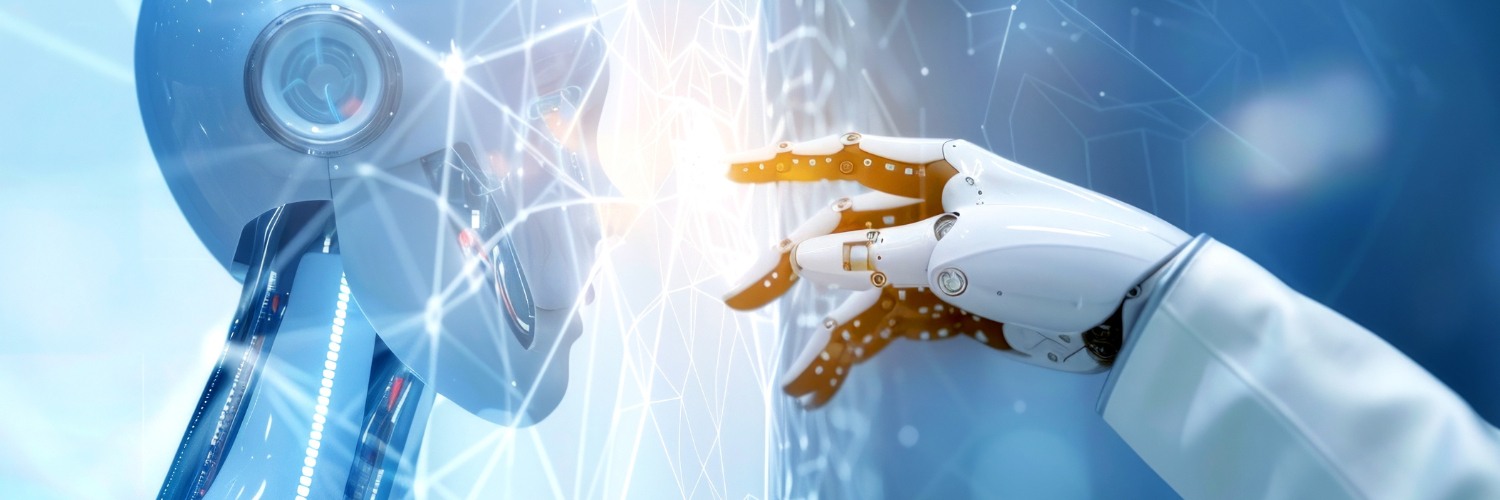
The future of language services lies not in choosing between humans or AI, but in combining the strengths of both.
1. The Role of Human Expertise in Language Services
- Cultural Nuances: Human translators understand tone, humor, idioms, and cultural references that machines often miss.
- Domain Knowledge: Industry-specific translations (legal, medical, technical) demand human expertise.
- Quality Assurance: Human review ensures content accuracy and style consistency.
- Emotional Connection: Humans bring empathy and storytelling—qualities machines cannot replicate.
2. The Rise of Artificial Intelligence in Translation
AI-powered solutions like Neural Machine Translation (NMT), speech recognition, and automated subtitling are revolutionizing the industry. Benefits include:
- Faster turnaround times for high-volume projects.
- Cost-effectiveness for repetitive or bulk translations.
- Multilingual scalability across 100+ languages.
- Real-time translation for chatbots, customer support, and live meetings.
3. Human + AI = A Powerful Combination
Instead of competing, human expertise and AI complement each other:
- AI handles speed and scalability, processing millions of words instantly.
- Humans ensure accuracy, context, and cultural relevance.
- MTPE (Machine Translation Post-Editing): A hybrid process where AI generates translations, and human linguists refine them for quality.
This synergy offers the best of both worlds—efficiency without compromising quality.
4. Benefits of Blended Language Services
- Cost Savings: Businesses save money by leveraging AI for bulk work and humans for quality assurance.
- Speed + Accuracy: Projects are completed faster while maintaining precision.
- Global Reach: Companies can expand into new markets confidently.
- Consistent Brand Voice: Human editors ensure brand tone is preserved across languages.
5. The Future Trends in Language Services
- AI-Assisted Tools: Wider adoption of translation memory, glossaries, and predictive AI.
- Voice & Video Localization: Growth in multilingual voice-over and subtitling for digital content.
- AI Data Services: Using annotated data to train smarter translation models.
- Remote Interpretation: AI-powered live interpretation combined with professional linguists.
- Ethical AI in Language: Ensuring fairness, inclusivity, and reduced bias in AI translations.
Conclusion
The future of language services is not about choosing between human expertise or artificial intelligence—it’s about leveraging both. AI brings speed and scalability, while human professionals ensure cultural sensitivity, accuracy, and emotional connection. Together, they make global communication smarter, faster, and more impactful.
For businesses aiming to succeed globally, the winning formula will always be Human + AI = Smarter Language Services.